What is Manicotti? The Ultimate Guide to Stuffed Baked Pasta
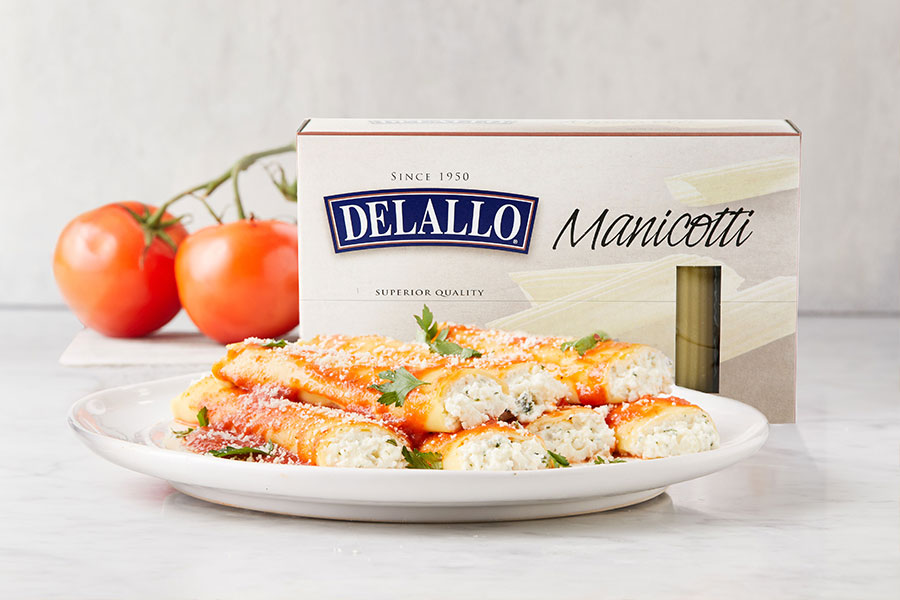
Manicotti is more than just a pasta dish; it's a culinary embrace, a staple of Italian-American comfort food that brings families together around the dinner table. Picture this: large, tubular pasta shells, generously stuffed with a rich, savory filling, blanketed in a vibrant tomato sauce, and baked until bubbling, golden, and utterly irresistible. This guide delves deep into the world of manicotti, exploring its origins, unique characteristics, and why it has earned its place as a beloved classic in kitchens across America.
At its heart, manicotti represents the ingenious adaptation of Italian culinary traditions within the United States. While rooted in the vibrant flavors of Southern Italy, the dish as we know it today, with its distinctive ridged pasta tubes, has become a hallmark of Italian-American cuisine. Its hearty nature, versatility, and make-ahead capabilities make it an ideal choice for everything from weeknight dinners to festive holiday feasts.
Unpacking the Manicotti Phenomenon: What Exactly Is It?
At its core,
manicotti refers to very large, ridged pasta tubes specifically designed for stuffing and baking. The word itself, the plural form of "manicotto" in Italian, charmingly translates to "little sleeves" or "muffs," a nod to the pasta's cylindrical, sleeve-like shape. This evocative name perfectly describes the vessel for the culinary magic that happens within.
The true essence of manicotti lies in its exquisite filling. Traditionally, this is a luscious blend of cheeses, most commonly:
- Ricotta: Providing a creamy, delicate texture and a slightly sweet tang.
- Mozzarella: Lending that irresistible melt and gooey binding quality.
- Parmigiano-Reggiano: Infusing the mixture with a sharp, nutty, and savory depth.
These cheeses are often seasoned with fresh garlic, fragrant parsley, and a hint of nutmeg, creating a filling that is both complex and comforting. While the classic cheese filling reigns supreme, variations are plentiful, catering to diverse palates. You might find manicotti stuffed with a mix of cheese and finely chopped, well-drained spinach for a vegetarian delight, or hearty ground beef or sausage, reflecting regional American influences.
Once stuffed, these pasta sleeves are carefully nestled in a baking dish, typically smothered in a robust marinara or tomato sauce, and then baked until the pasta is tender, the cheese filling is hot and bubbly, and the top is beautifully golden brown. The ridges on the pasta shells aren't just for aesthetics; they play a crucial role in trapping and holding onto that delicious sauce, ensuring every bite is bursting with flavor. Its freezer-friendly nature means manicotti can be assembled in advance and baked fresh whenever needed, cementing its status as a timeless culinary treasure for both home cooks and Italian-American restaurants.
The Name Game: Deciphering "Manicotti" Across Cultures
The story behind the name "manicotti" is as fascinating as the dish itself, revealing a captivating journey through language and culinary adaptation. As mentioned, "manicotti" is the plural of the Italian word "manicotto," which literally means "large sleeve" or "big muff." This term derives from "manica" (sleeve), combined with the augmentative suffix "-otto," and its etymological roots trace back even further to the Latin "manicae," referring to sleeves or gloves. This linguistic evolution perfectly captures the pasta's cylindrical, arm-like form.
However, a key distinction arises when we compare its usage in Italy versus Italian-American cuisine.
- In Italy: The term "manicotti" is not commonly applied to the large stuffed and baked pasta tubes. Instead, these are almost universally known as cannelloni. If "manicotti" is used at all in Italy, it might occasionally refer to shorter, ridged tube pasta shapes similar to calamarata, which are intended for tossing with sauces rather than stuffing.
- In Italian-American Cuisine: Here, "manicotti" distinctly denotes the large, ridged, stuffable pasta tubes designed for baking. It frequently implies a ricotta-based filling and is often used interchangeably with "cannelloni," though it often emphasizes the distinctive ridged pasta tube over the smoother crepes sometimes used for cannelloni.
This intriguing divergence in naming emerged in early 20th-century U.S. immigrant communities. It reflects a phonetic adaptation of Italian words from Sicilian and Neapolitan dialects, alongside the practical adaptation of traditional recipes to available American ingredients and preferences. This cultural evolution is a testament to the dynamic nature of food traditions and highlights why manicotti holds such a unique place in the hearts of many American families. For a deeper dive into this fascinating journey, explore
Manicotti's American Roots: A Stuffed Pasta Journey.
Crafting the Perfect Manicotti: From Shell to Sauce
Creating a truly memorable manicotti dish involves attention to detail at every stage, from selecting the right pasta to perfecting the filling and sauce.
The Pasta Shells
Manicotti pasta is typically formed from a simple yet robust dough of durum wheat semolina and water. These large, sturdy tubes are designed to withstand the stuffing and baking process without losing their shape. While most manicotti shells are ridged, some smoother varieties exist. The ridges are a practical design choice, as they provide a rough surface for the sauce to cling to, ensuring every forkful is coated in flavor.
The Heart of the Dish: The Filling
The filling is where manicotti truly shines. The classic three-cheese combination—ricotta, mozzarella, and Parmigiano-Reggiano—forms the foundation, each contributing a unique element:
- Ricotta: Provides creaminess and structure.
- Mozzarella: Melts beautifully, creating that desirable stretch and binding the filling together.
- Parmesan/Parmigiano-Reggiano: Adds a sharp, salty, and nutty depth that elevates the entire dish.
To enhance these flavors, it's common to incorporate minced garlic, fresh parsley, and a touch of grated nutmeg. Nutmeg, though subtle, adds a warm, almost earthy sweetness that perfectly complements the rich cheeses.
Filling Variations and Tips:
- For a Verdant Boost: To add some greens, thaw a 10-ounce package of frozen spinach, and critically, squeeze out *all* excess water. Finely chop the spinach before mixing it into the cheese filling to avoid a watery consistency.
- Hearty Meat Options: For a more substantial dish, cooked and seasoned ground beef or Italian sausage can be folded into the cheese mixture.
- Flavor Infusion: Don't be shy with herbs! Fresh basil, oregano, or a pinch of red pepper flakes can introduce delightful aromatic notes.
The Sauce
A good manicotti demands a flavorful tomato sauce. While a homemade marinara sauce offers unparalleled depth, a high-quality store-bought marinara can be a fantastic time-saver, allowing you to get this comforting dish on the table more quickly. The sauce serves to moisten the pasta, infuse it with flavor, and prevent it from drying out during baking.
Assembly and Baking
Stuffing the manicotti shells can be the most time-consuming part, but it's well worth the effort. For ease and speed, many home cooks opt to use a piping bag (or a large Ziploc bag with a corner snipped off) to pipe the filling into the tubes. Once stuffed, arrange the manicotti in a baking dish that has been lightly coated with sauce, cover with more sauce, and sprinkle with extra mozzarella and Parmesan cheese for a golden, bubbly top. Bake until the pasta is tender and the sauce is simmering.
One of manicotti's most celebrated qualities is its freezer-friendly nature. It can be assembled completely, covered, and frozen for later, making it a fantastic make-ahead meal for busy weeks or entertaining. Simply thaw overnight in the refrigerator and bake as directed. For comprehensive instructions and more insider tips on creating the perfect filling and prepping ahead, check out
Mastering Manicotti: Easy Cheese Filling & Make-Ahead Tips.
Manicotti vs. Cannelloni: A Tale of Two Tubes
While often used interchangeably in American English, there is a subtle distinction between manicotti and cannelloni, particularly in traditional Italian culinary contexts:
- Manicotti: As we've established, manicotti refers to specific, large, ridged pasta tubes made from durum wheat semolina and water. Its defining characteristic is the pre-formed, often ridged, tube shape.
- Cannelloni: In Italy, "cannelloni" broadly refers to stuffed baked pasta. While it can include pasta tubes, it more commonly implies smooth pasta sheets (sometimes fresh, sometimes dried) that are rolled around a filling, or even crepes used as wrappers. The term "cannelloni" is often associated with a wider range of fillings, including more meat-heavy options.
In essence, while both are delicious stuffed baked pastas, manicotti emphasizes the distinctive ridged pasta tube, while cannelloni is a broader category that can encompass various forms of rolled and stuffed pasta.
Conclusion
Manicotti is truly a cornerstone of Italian-American cuisine, cherished for its comforting appeal, rich flavors, and versatile nature. From its charming "little sleeves" namesake to its adaptable fillings and make-ahead convenience, it embodies everything we love about hearty, home-cooked food. Whether you're preparing it for a holiday gathering or a simple weeknight dinner, understanding what manicotti is and celebrating its unique story ensures that every bite is not just delicious, but also a taste of a rich culinary heritage. Dive in and experience the warmth and tradition of this ultimate stuffed baked pasta.