Manicotti's American Roots: A Stuffed Pasta Journey
The aroma of simmering tomato sauce mingling with rich, melted cheese and tender pasta is a quintessential scent of Italian-American home cooking. At the heart of this comforting culinary tradition lies
manicotti, a beloved dish featuring large, ridged pasta tubes generously stuffed and baked to golden perfection. More than just a meal, manicotti tells a story of immigration, adaptation, and the enduring power of food to connect cultures. While its flavors whisper of Italy, the dish we know and love today is distinctly an American creation, a testament to the ingenuity of Italian immigrants who brought their culinary heritage to new shores.
What is Manicotti? The Ultimate Guide to Stuffed Baked Pasta provides a deeper dive into its core elements, but here, we explore its fascinating journey and unique identity forged in the melting pot of the United States.
The Heart of Italian-American Comfort Food
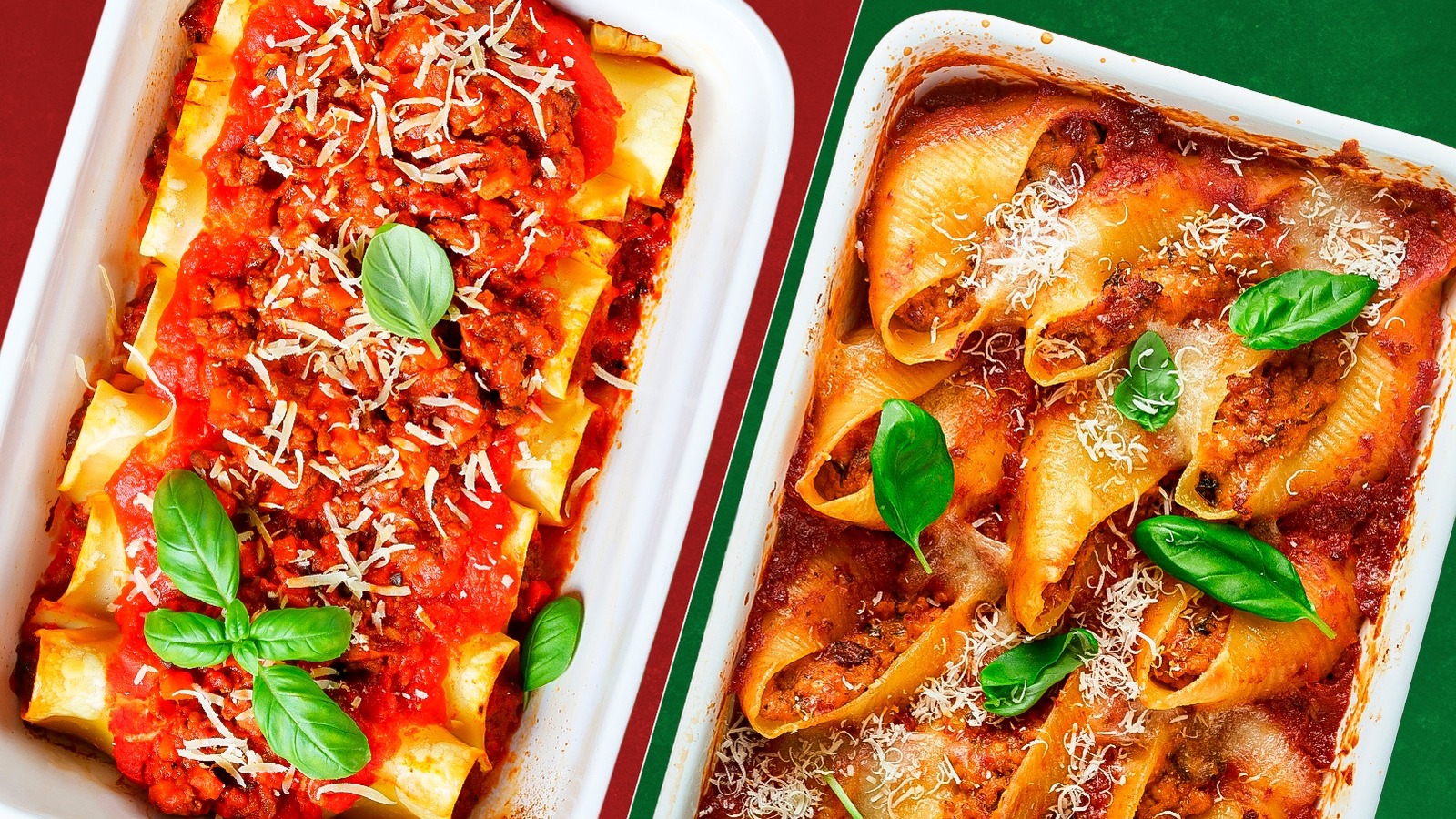
Manicotti has earned its place as a staple comfort food, particularly cherished for family gatherings, holidays, and Sunday dinners. Its appeal isn't hard to fathom: it's hearty, satisfying, and endlessly customizable. Typically, these substantial pasta sleeves, traditionally made from durum wheat semolina and water, are brimming with a creamy mixture of cheeses, most commonly ricotta, mozzarella, and Parmesan or Pecorino Romano. Sometimes, the filling is augmented with savory ground meat (like beef or sausage), earthy spinach, or a combination of both, reflecting regional tastes and family traditions.
What truly elevates manicotti to a favored status is its inherent convenience. It’s a superb make-ahead dish, allowing home cooks to assemble it hours or even days in advance. Once stuffed and sauced, it can be refrigerated or even frozen, ready to be baked fresh when needed. This quality makes it an invaluable asset for busy weeknights or for feeding a crowd, ensuring that a delicious, homemade meal is always within reach. The joy of pulling a bubbling casserole dish of golden-brown manicotti from the oven, its surface glistening with melted cheese and rich tomato sauce, is a simple pleasure that defines Italian-American hospitality.
A Tale of Two Names: Manicotti Across Continents
Perhaps one of the most intriguing aspects of manicotti is its linguistic journey, which beautifully illustrates its evolution as an Italian-American dish. The word "manicotti" itself is the plural form of the Italian
manicotto, translating to "little sleeves" or "muffs." This evocative name, derived from
manica (sleeve) with an augmentative suffix, perfectly describes the pasta's cylindrical, tube-like shape, reminiscent of a garment sleeve. Its etymological roots can even be traced further back to the Latin
manicae, referring to sleeves or gloves, highlighting a long tradition of applying clothing terminology to food forms.
However, here's where the story takes an interesting turn: in Italy, the term "manicotti" is generally *not* used to describe the large, stuffed and baked pasta tubes that are so famous in the U.S. In Italy, these are predominantly known as
cannelloni. Furthermore, Italian "manicotti" might occasionally refer to shorter, ridged tube pasta shapes more akin to
calamarata, typically intended for tossing with sauces rather than stuffing.
The divergence arose in early 20th-century U.S. immigrant communities. As Italian immigrants, particularly from Southern Italy (Sicily and Naples), settled in America, they adapted their traditional recipes to the ingredients available and to new culinary preferences. "Manicotti" emerged as a phonetic adaptation and a standardized term in Italian-American cuisine to specifically denote these large, ridged, stuffable pasta tubes designed for baking. While sometimes used interchangeably with "cannelloni," Italian-American manicotti often emphasizes ricotta-based cheese fillings, distinguishing it further. This linguistic and culinary evolution beautifully reflects the process of cultural assimilation and the creation of unique culinary identities in a new land.
Crafting the Perfect Manicotti: Beyond the Basics
The magic of manicotti truly comes alive in its filling and the interplay of flavors. While recipes vary, the foundation almost always includes a harmonious blend of cheeses, each contributing a vital element:
- Ricotta: The cornerstone, providing a creamy, delicate texture and a subtly sweet base. Opt for whole-milk ricotta for the richest flavor.
- Mozzarella: Essential for that signature melt and stretch, binding the filling together and creating gooey pockets of deliciousness.
- Parmesan or Pecorino Romano: These hard, aged cheeses deliver a punch of salty, nutty, umami flavor that elevates the entire dish.
Beyond the cheese trifecta, myriad ingredients can enhance your manicotti. Fresh garlic, finely minced, is a common addition, offering a pungent aromatic note. A pinch of nutmeg, a surprisingly classic Italian pairing with cheese and spinach, adds warmth and depth. For those who enjoy a heartier dish, cooked and crumbled ground beef or Italian sausage can be mixed into the cheese filling. And for a dose of greens, thawed and thoroughly squeezed frozen spinach (or blanched fresh spinach) is a popular, nutritious addition that pairs wonderfully with the cheese.
The ridged texture of authentic manicotti pasta tubes is not merely aesthetic; it's functional. These ridges are designed to cling to the rich tomato sauce, ensuring every bite is enveloped in flavor. While some cannelloni are made from fresh pasta sheets rolled around filling, manicotti's pre-formed tubes offer a convenient and robust structure. For ease and speed, many modern recipes suggest using a good quality store-bought marinara sauce, though a homemade slow-simmered sauce will undoubtedly elevate the dish further.
Tips for Manicotti Mastery
Achieving manicotti perfection isn't difficult, especially with a few practical tips:
- Perfect Your Filling: Don't skimp on quality ingredients. A good quality, firm ricotta will make a noticeable difference. Season your filling generously with salt, pepper, and any chosen herbs (like fresh parsley or basil), tasting as you go.
- Stuffing Smart: Filling the tubes can be the trickiest part. A piping bag (or a large Ziploc bag with a corner snipped off) makes the job much cleaner and faster than using a spoon. Don't overstuff, as the cheese will expand during baking.
- Prevent Dryness: Always ensure the pasta is adequately covered with sauce before baking. This prevents the pasta from drying out and helps it cook evenly. A layer of sauce on the bottom of the baking dish is also crucial.
- The Make-Ahead Advantage: Assemble your manicotti dish completely, then cover tightly with plastic wrap and foil. It can be refrigerated for up to 2-3 days or frozen for up to 3 months. If baking from frozen, allow extra baking time (often an additional 30-45 minutes covered) and ensure it reaches an internal temperature of 165°F (74°C).
- The Golden Finish: Bake the manicotti covered for most of the cooking time to ensure the pasta cooks through and the filling heats evenly. Uncover for the last 15-20 minutes to allow the cheese on top to melt, bubble, and turn a beautiful golden brown.
- Rest Before Serving: Like many baked dishes, allowing the manicotti to rest for 10-15 minutes after it comes out of the oven helps the sauce and cheese settle, making it easier to serve cleanly.
For more in-depth techniques, including specific cheese ratios and advanced make-ahead strategies,
Mastering Manicotti: Easy Cheese Filling & Make-Ahead Tips offers comprehensive guidance to elevate your culinary skills.
In conclusion, manicotti is far more than just a delicious pasta dish; it's a culinary emblem of the Italian-American experience. From its evocative name to its hearty, adaptable nature, it embodies a journey from Old World traditions to New World innovations. It's a dish that continues to bring warmth, comfort, and a taste of heritage to countless tables, proving that some of the most beloved foods are born from a beautiful blend of culture and creativity.